Southern Drakensberg Conservation Project

The Southern Drakensberg Conservation Project is a dedicated Wildlife ACT initiative focused on safeguarding South Africa’s two cliff-nesting Vulture species: the Regionally Critically Endangered Bearded Vulture (Gypaetus barbatus) and the Vulnerable Cape Vulture (Gyps coprotheres). Working in partnership with Ezemvelo KZN Wildlife, the Drakensberg Conservation Initiative, and the Bearded Vulture Task Force, the project operates across the Maloti-Drakensberg Park World Heritage Site and its surrounding buffer zones — a UNESCO-listed landscape that supports exceptional biodiversity and serves as the last stronghold for these high-altitude scavengers.
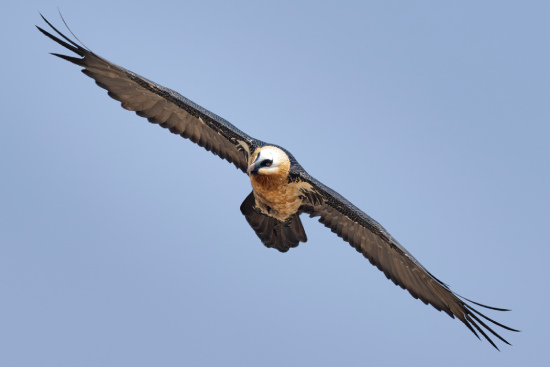
At the heart of the project is the protection and recovery of Vulture populations through direct field interventions and long-term ecological research. Core conservation activities include maintaining toxin-free Vulture Safe Feeding Sites, intensive nest monitoring, and broad-scale biodiversity surveys using remote camera traps. The Mzimkulu feeding site near Underberg is central to this work, providing a secure and reliable food source for Vultures while reducing the risk of poisoning and food scarcity. Volunteers and staff manage this site through carcass transport, site maintenance, and photographic monitoring that helps identify individual birds and assess behaviour and population trends.
The project’s biodiversity monitoring programme extends beyond Vultures. Camera trap networks record the presence of elusive species such as Caracal, Leopard, Otter, and Aardvark, providing insights into predator-prey dynamics and ecosystem health across the mountain landscape. These data contribute to regional species databases and inform adaptive management decisions for the broader Maloti-Drakensberg ecosystem.
Emergency response is another key aspect of the project’s work. Wildlife ACT’s team provides rapid support in cases of poisoning, injuries, or disturbance at nesting sites, working closely with conservation authorities and local farmers to ensure a coordinated response. The project also assists with alien plant control and monitoring of illegal activities to protect the integrity of the World Heritage Site.
Community collaboration lies at the centre of the project’s sustainability. Wildlife ACT engages with landowners, farmers, and schools to promote awareness of the ecological role of Vultures, encourage safe carcass disposal, and strengthen community-based conservation. Educational visits to the Mzimkulu Vulture Hide allow learners and visitors to witness Vultures up close and participate in citizen science through the recording of tagged individuals, linking conservation education with hands-on contribution.
Volunteers play a meaningful role in supporting this work. Based near Underberg, participants assist with nest monitoring, camera trap maintenance, feeding site management, and data collection. Their contributions help maintain the consistency and coverage needed for long-term ecological monitoring, while also fostering an appreciation for the region’s unique biodiversity and the complexity of mountain conservation.
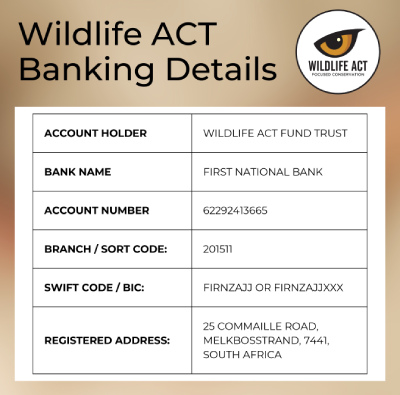
Donate to the Southern Drakensberg Conservation Project